Shipping forecast at 0600
The general synopsis
Low Viking 997 expected Norway with little change by 0600 tomorrow. High just north of Azores slow-moving with little changePlymouth
Wind
Southwest, veering west or northwest, 4 to 6.Sea state
Moderate or rough.Weather
Occasional rain or drizzle.Visibility
Moderate or good, occasionally poor.Met office
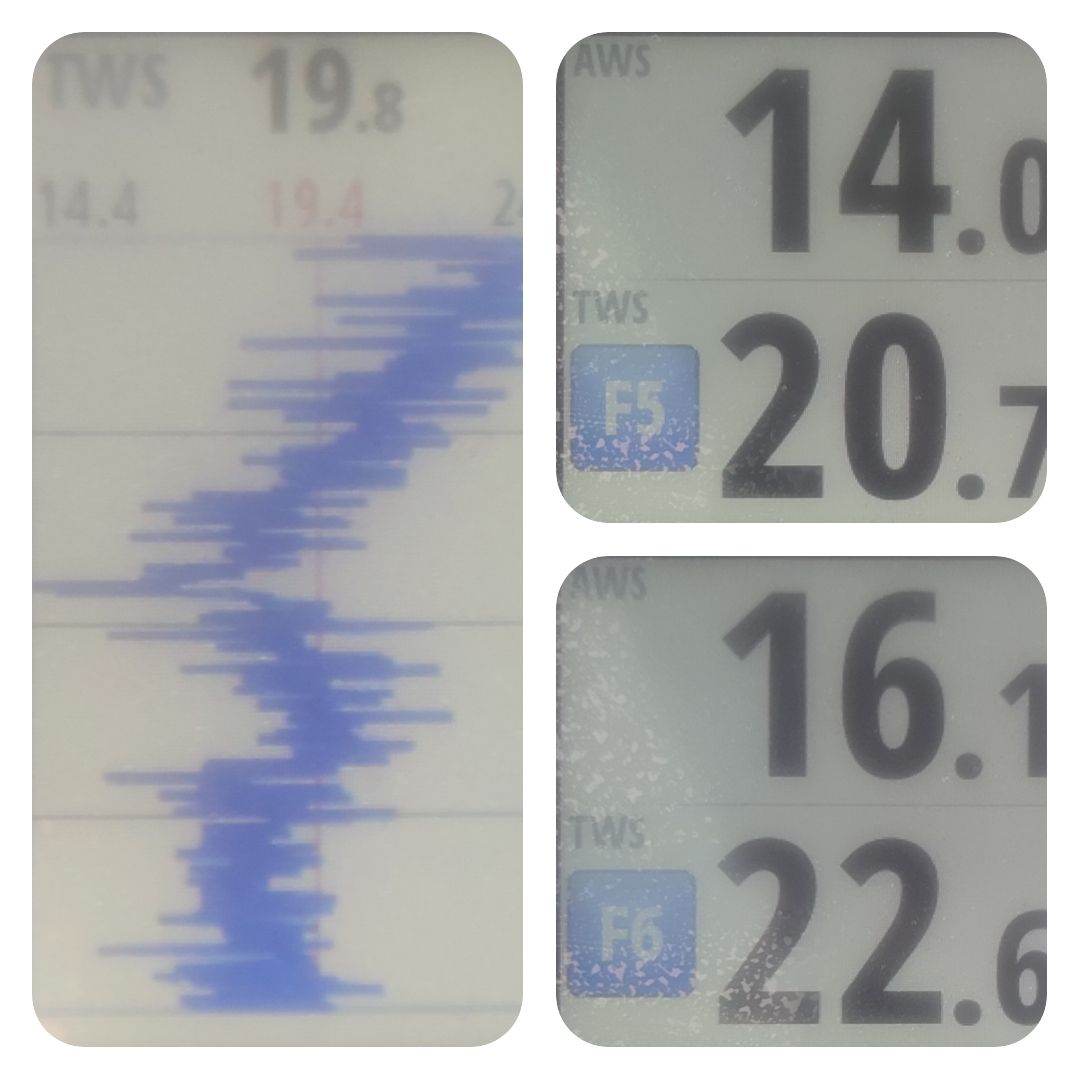
Can you remember when the decision was made to return quickly from Guernsey rather than wait for the next weather system a week on Saturday. Well it has arrived bang on time as forecast. We will have westerly winds, Force 5, all day. We need to decide what sails to raise from a choice of three. Consider a heading of 070° and the wind direction coming from 260°
“it’s behind you!”
The good news is that although the wind will be very strong, the yacht is travelling in the same direction at 6 kts. So, as the boat is doing 6 kts with the wind, then the apparent wind (the wind you feel on deck) would be True Wind Speed (20 kts) minus Boat Speed (6 kts) = 14 kts. This is correct when sailing with a directly following wind.
Goosewing – no, Code 0 – no, full head sail – yes. With potentially Force 6, we need to be in control and avoid the risk of a broach.
In sailing, a broach refers to an abrupt, involuntary, and often dramatic change in a vessel’s course, typically turning sharply towards the wind. This usually results from a loss of directional control, often when the boat’s rudder becomes ineffective.
AI
We’ve got the winds and we’ve decided on the best sail plan. Off we go on a long steady 7 hour starboard tack to Cawsand Bay anchorage.
08:30 dep Ol Kea anchorage 4.4 kts
10:30 off St Antony Head 5.3 kts
12:00 off Dodman Point 6 kts
15:45 off Rame Head 6.6 kts
16:20 arr Cawsand Bay anchorage
River Fal
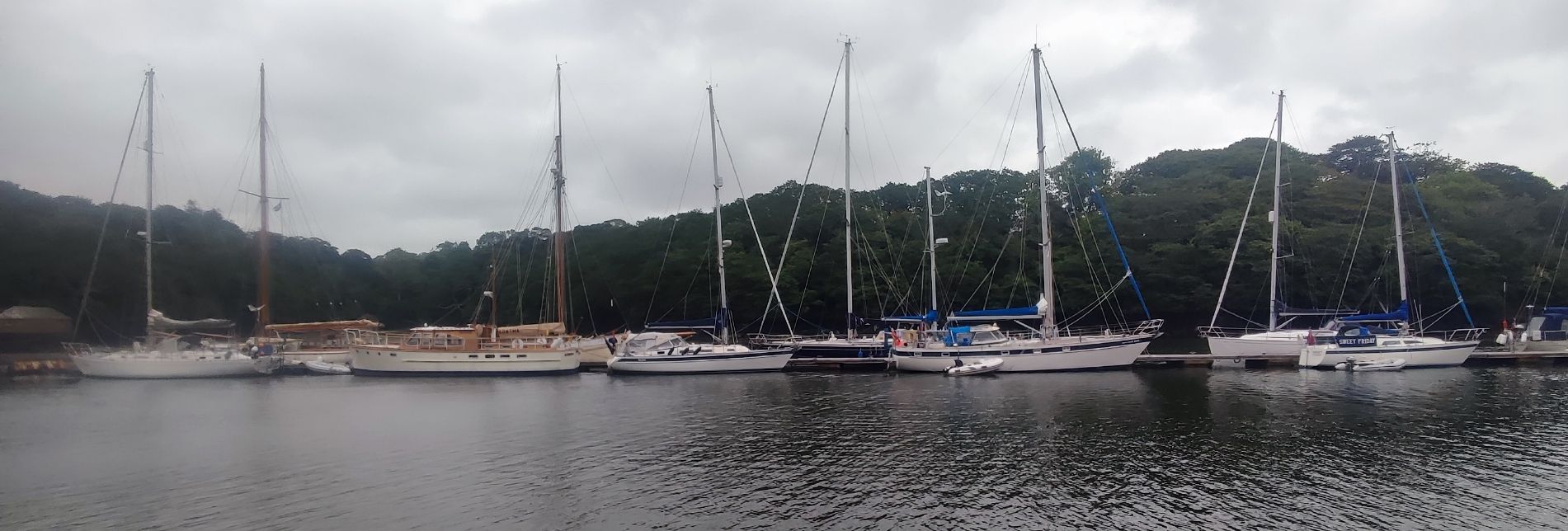
The anchor was lifted out of the mud and we motored down the river, passing the yachts attached to the pontoon, several herons feeding on the mudflats, a basking seal, waiting for the ferry to cross, passing charming cottages and grand houses.
Slowly down the river until eventually we could see the open waters of Carrick Roads. No other vessel in sight as we followed the path of the riverbed to the open sea. We planned to catch the east-going tide at 11:00. Timing does matter because the difference is a 2 kts boost of boat speed over the ground (SOG)


Summary of journey
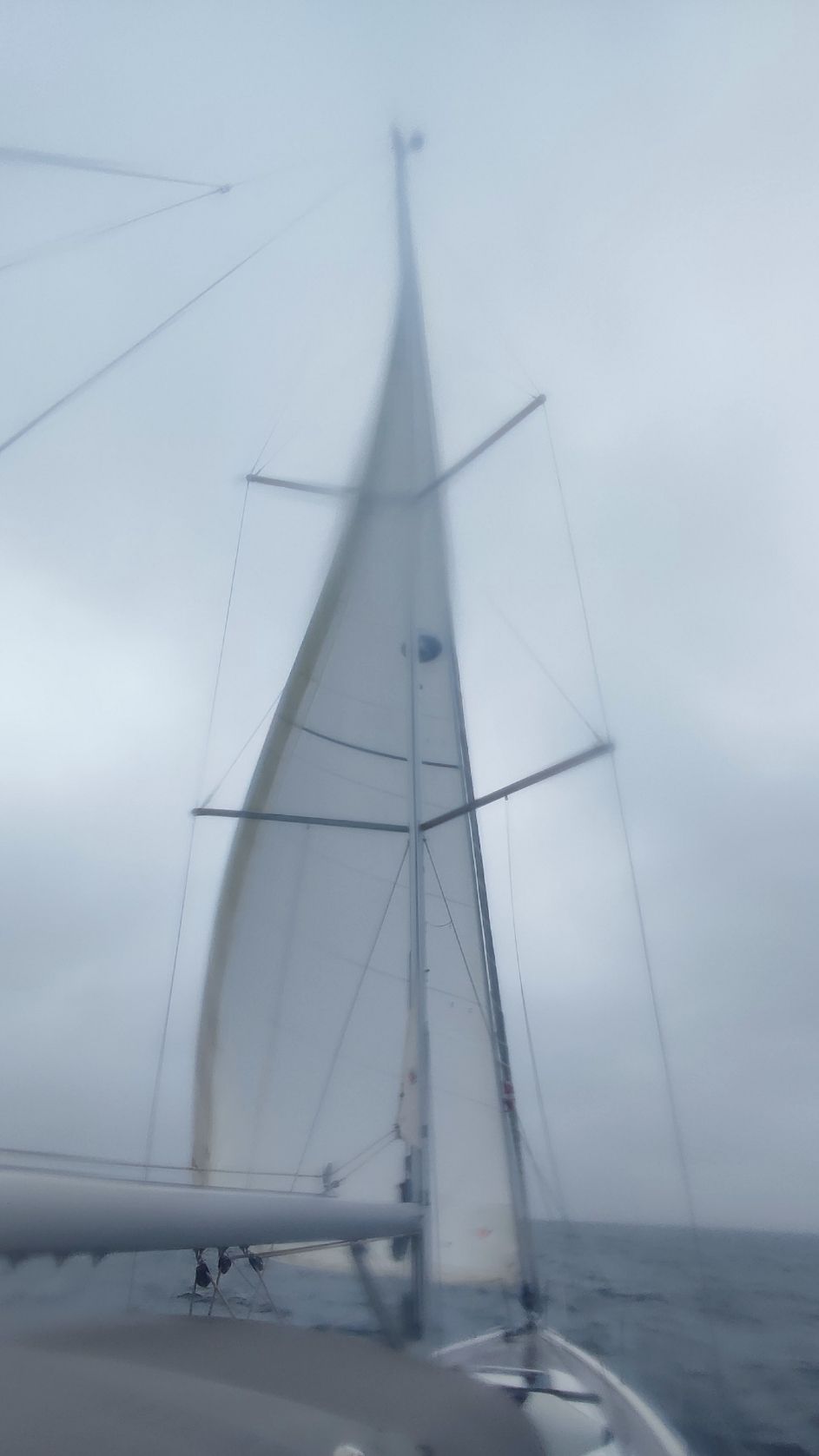
Everything went to plan: it was raining at first and the strong wind blew it across the deck. We donned wet weather gear mainly to shield from the wind. A swell was building up from behind and this caused the overtaking waves to lift the boat up from the trough to the crest and down again. “Sea state – moderate or rough“. The boat twists sideways on each wave. Meanwhile, down below deck, everything is thrown from side to side.
This describes a phenomenon called “yawing” or “snaking” where the stern of the boat is pushed sideways by the overtaking waves. This is a significant challenge for steering and can lead to a broach if not managed carefully (which you were keen to avoid). It also explains why everything below deck might be thrown around.
AI
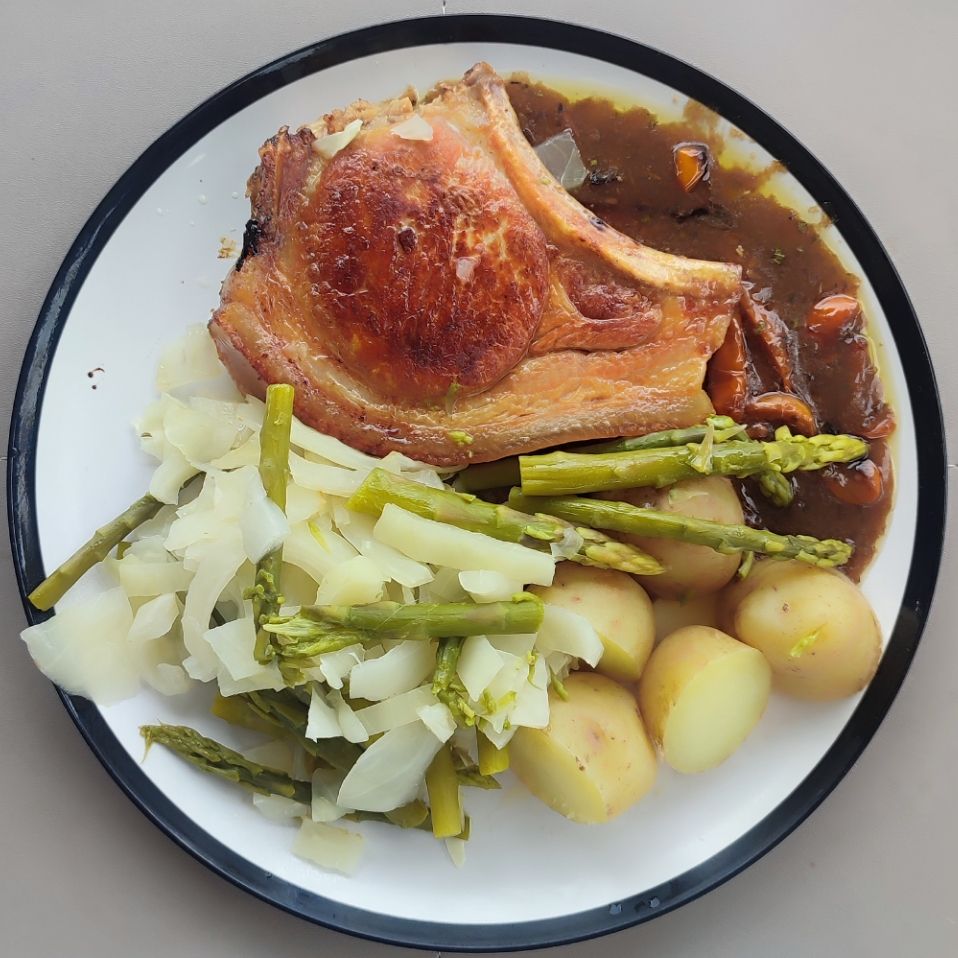
Lunchtime became a challenge to make and eat! At 12:00 we passed BB-8 again, bobbing up and down on the high seas. In the end, we were heading at a fair speed and in the right direction. Happy days!
Rame Head
We turned slightly and gybed to round the red navigational buoy off Rame Head. The anchorage opened out and we headed closer to the shore to anchor. This afforded a calm spot out of the strong winds. Anchored in 4.5 metres with a fall of only 2 metres at low water.

Zzzz
 Experience Sailing