The weather system was changing as forecast. The fog had lifted and we could see three warships anchored nearby. A German frigate had arrived overnight to join our Royal Navy. After five days of moving from one place to another, it was time for some R&R; a day off!
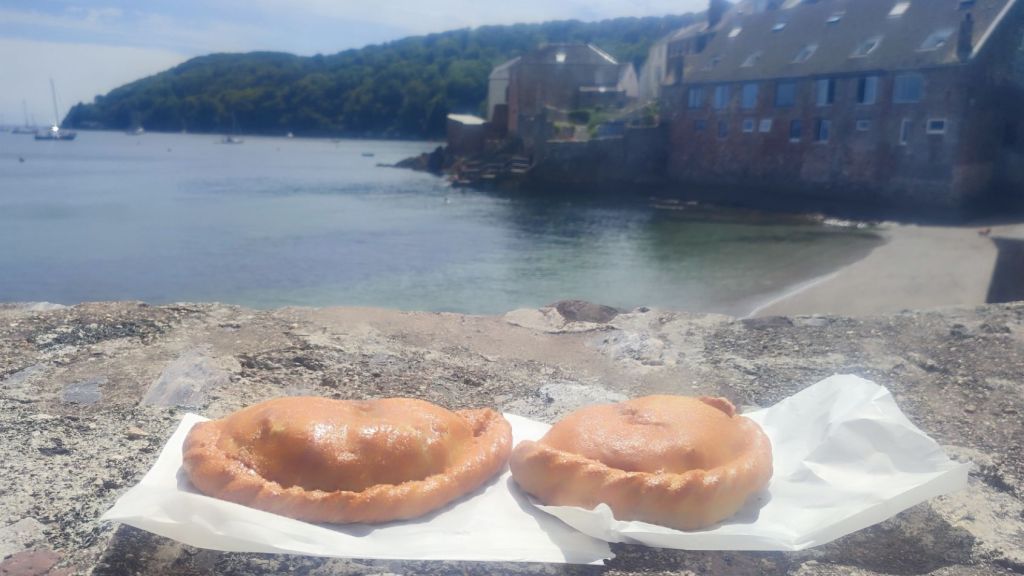
12:30 Launched the dinghy and set a course for Cawsand. The sun was shining and it was getting hotter by the minute. On arrival, the beach was full of sunbathers, paddle boarders, and swimmers from toddlers to youths to grown ups. The dinghy was left on the shoreline because the tide was receding. Time to just wander around this delightful village by the sea and feast upon a traditional Cornish Pasty whilst overlooking the yachts at anchor.

Anchoring
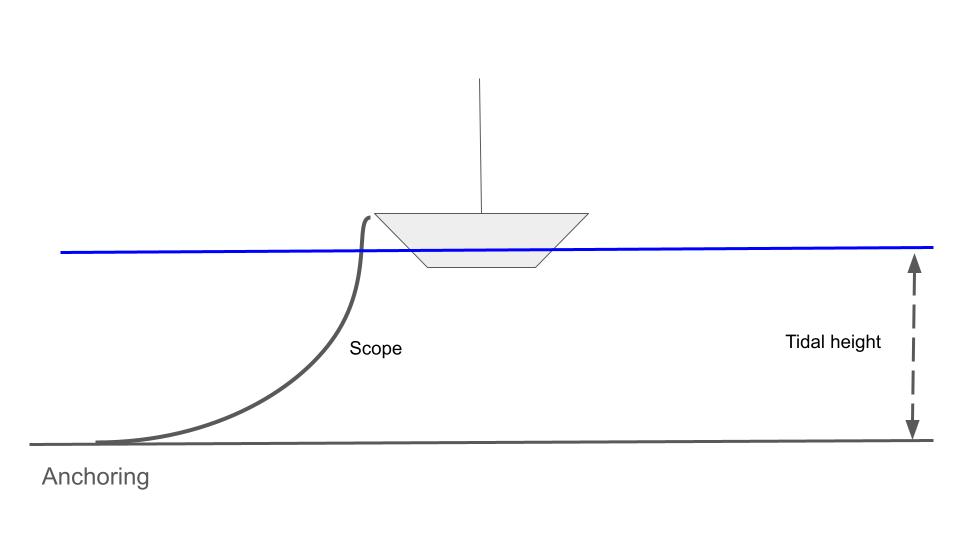
Setting the anchor has to be done after considering a whole range of things; depth of water, tidal rise and fall, state of the tide, vessels nearby and the seabed. For example, anchoring on a bed of seagrass is to be avoided.
How much chain to lay out? It depends primarily on the depth on arrival, the height it will rise and fall, and how strong the wind will blow. If not enough, the anchor could drag at high water. If too much, the yacht could fall back into the shallows at low water.
Anchored correctly, the yacht will rise and fall without grounding or touching others. Happy days!


15:00 Back onboard it was time to sit and watch the afternoon arrival of several yachts. They would start to wander around looking for their perfect anchoring spot. Not a problem here in the wide expansive sandy bay.
The afternoon slowly turned to evening and then night. The navigation lights began to light up. Greens, reds, and white light all flashing and flickering in a very precise way to guide vessels through the deeper channels.
The day of R&R is coming to an end. Tomorrow is another day!

Zzzz
 Experience Sailing